PEICHENG Kids Tablet 7 inch Android 12.0 for Toddler (ASIN B0D22F5X3M)
Best Pre Tablet Buying Guide — Black Friday Deals 2026
Choosing a pre tablet is less about finding one universal winner than about deciding which details fit the child and the moments when a device would be used. This shortlist includes a Fire tablet identified for ages 3-7 and two seven-inch Android options, with different listed storage, system and caregiver details. Our Best Overall and Best Budget labels are editorial choices within these three products, not test results or market-wide awards. Black Friday can make a listing worth revisiting, but a deal is useful only if the exact model and included configuration suit your plans. Start with the routine, then check the offer.
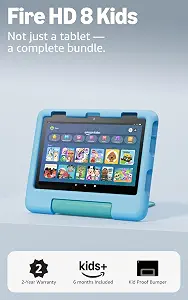
Amazon Fire HD 8 Kids tablet, ages 3-7 (ASIN B0D38FT41H)
The Amazon Fire HD 8 Kids tablet, ages 3-7, is our Best Overall choice among the products here. That label reflects how its listed details bring together a child-age designation, caregiver controls and an included case; it is not a claim of measured superiority. A shopper comparing pre tablets for a young child may find this combination relevant if they want to consider both the device and a protective case as part of the same listing.
Its 8″ HD display gives families a clear stated screen size and format to consider. The tablet has 4 GB RAM and 64GB storage, with support for up to 1 TB of expandable storage. Those are separate details: RAM is memory, while storage is the stated capacity for files and apps. If you expect to keep content on the device, use the listed capacities to frame questions about your needs rather than assuming how much space a particular activity will require.
The listed battery life is up to 13 hours. Treat that wording as a stated maximum, not a guarantee of runtime in every household or use pattern. The tablet is wifi-enabled, a relevant detail if your intended routine depends on Wi-Fi. Its Amazon Kid-Proof Case with stand/handle is included, and parental controls let caregivers set time limits. Those features may help shoppers who want to consider handling and screen-time routines alongside core specifications, without assuming the case or controls resolve every household preference.
For Black Friday, compare the precise Fire HD 8 Kids tablet listing and variant rather than judging by the product family name alone. Check that the offer being considered is the ages 3-7 model and confirm the listed configuration, included case and features on the offer page. There is no price or promotion information in this guide, so the Best Overall label should not be mistaken for a discount claim. This option makes sense to shortlist when the age designation, time-limit controls and included case are central to your decision.
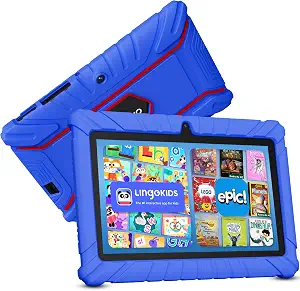
The Contixo V8 7″ Kids Tablet earns the Best for Android 11 label in this guide because Android 11 is its stated operating system. That is a useful point of distinction for shoppers who have a particular system version in mind; it does not establish that it will suit every app, service or family preference. If a pre tablet is being considered for a child and the operating system matters to the adult setting it up, this detail gives the shortlist a concrete starting point.
The display is 7 inches with a resolution of 1024 x 600 pixels. The size and resolution can help you decide whether the screen information matches your expectations, but they do not establish how a child will experience a particular app or video. The listed storage is 32GB. The tablet also supports a memory card up to 128 GB. Keep those figures distinct when planning: the built-in storage and maximum memory-card support describe different parts of the capacity picture, and neither tells you how much room your own content will need.
Bluetooth and Wi-Fi are listed as wireless connectivity, and the tablet has front and rear cameras. These details are useful to notice if you are deciding which capabilities matter in your household. They are not a promise about compatibility with a particular accessory, service or app. For example, make a list of the tasks you actually expect, then verify any specific connection or app requirement against the exact listing before buying. That approach keeps a feature list from turning into assumptions.
During Black Friday shopping, use the Android 11 detail to identify the exact Contixo V8 listing you mean to compare. Confirm the selected model and its stated 32GB storage, display details and memory-card support on the offer page. Do not treat the Best for Android 11 label as proof of a promotion, price advantage or universal recommendation. This is a focused option for shoppers who want the stated system version and who are comfortable evaluating its other listed details against their own plans.
Key specs
Storage
32GB Storage
Operating system
Android 11
Display size
7 inches
Display resolution
1024 x 600 pixels
Camera
Front, Rear
Wireless connectivity
Bluetooth, Wi-Fi
Memory card support
Maximum 128 GB
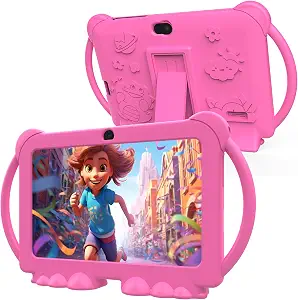
PEICHENG Kids Tablet 7 inch Android 12.0 for Toddler
PEICHENG Kids Tablet 7 inch Android 12.0 for Toddler (ASIN B0D22F5X3M)
The PEICHENG Kids Tablet 7 inch Android 12.0 for Toddler is the Best Budget pick in this selection. The label is an editorial way to identify a budget-oriented option among these products, not evidence that it has the lowest price or that a Black Friday offer is available. Its listed Android 12 system and toddler positioning give shoppers a specific model to evaluate when comparing pre tablets for a young child.
The display resolution is listed as Maximum 1024*600 pixels, and the memory storage capacity is 32 GB. It also lists 4 GB of RAM. Consider these as separate specifications: storage capacity describes one part of the device’s space for content, while RAM is a different memory figure. The tablet supports a Micro SD card to expand storage up to 512GB. If you are comparing it with another model, write down built-in capacity, RAM and expansion support in separate places, rather than treating them as interchangeable or assuming they indicate a particular real-world experience.
Battery information needs similarly careful reading. This model lists a battery capacity of 3267 milliamp_hours. That is a capacity figure, not a stated battery-life duration, so it should not be used as a direct estimate of how long the tablet will run between charges. If battery runtime is a deciding factor, look for a stated runtime in the exact listing rather than translating capacity into hours. This distinction can prevent a specification from seeming to answer a question it does not address.
For Black Friday, check the exact PEICHENG model name, selected variant and stated configuration before comparing offers. The Best Budget label can help organize a shortlist, but the right decision still depends on whether the listed screen, Android 12, storage and expansion details match your priorities. No current price, discount or availability is provided here. Treat the listing as a candidate to verify, and compare its actual offer details with the other models only after confirming that you are looking at the intended product.
Key specs
Operating system
Operating System Android 12
Display
Display Resolution Maximum 1024*600 pixels
Storage
Memory Storage Capacity 32 GB
Memory
RAM Memory Installed 4 GB
Expandable storage
Supports Micro SD card expand up to 512GB.
Battery capacity
Battery Capacity 3267 milliamp_hours
Write down the moments that call for a tablet
A practical shortlist begins with a small decision journal: note when the child would use the device, what the adult hopes it will support and what would make it easy to put away. The answers may differ for a tablet intended for occasional quiet time, one considered for travel, or one that would be shared across a household. Those are planning scenarios, not claims about how any particular model performs. They help identify which listed specifications deserve attention before Black Friday offers enter the conversation.
For example, a caregiver who wants to manage session length may put the Fire tablet’s time-limit controls near the top of the list. Someone who wants an explicitly named operating system may compare the Contixo V8’s Android 11 with the PEICHENG tablet’s Android 12. A shopper considering a tablet for a younger child may also notice that the Fire model is identified for ages 3-7 and that the PEICHENG product name says “for Toddler.” Product names and listed details can guide questions, but they do not substitute for deciding what fits your household.
Turn those priorities into a short checklist before browsing. Separate must-haves from pleasant extras, and record the exact product name for each candidate. This makes Black Friday comparison less vulnerable to a familiar name attached to a different configuration. It also keeps editorial labels in perspective: Best Overall, Best Budget and Best for Android 11 organize this guide’s choices, but your own routine determines which details matter most.
Let screen details answer a narrow question
Screen specifications are most useful when connected to a preference you can explain. The Fire HD 8 Kids tablet lists an 8″ HD display. The Contixo V8 has a 7-inch display with 1024 x 600 pixels, while the PEICHENG model lists a maximum resolution of 1024*600 pixels. These details help distinguish the products on paper. They do not, by themselves, tell you whether a screen will feel comfortable for a particular child or how every kind of content will appear.
Think about the setting and the task rather than assuming that a larger stated display is automatically the right choice. If the tablet is intended for a specific reading, viewing or app routine, first identify any screen requirements associated with that activity. Then check whether the listing supplies the information you need. If it does not, avoid filling the gap with guesses. Keep the comparison limited to facts you can verify and decide whether an unanswered question is important enough to investigate before buying.
Black Friday listings can make side-by-side browsing feel urgent, but screen details remain useful only when attached to the exact model under consideration. Keep the display size and resolution together in your notes, and preserve each product’s original wording and formatting. That small habit helps prevent a specification from being attributed to the wrong tablet when you revisit several offers. It also gives you a calmer basis for deciding whether a difference matters to your intended use.
Make capacity notes that distinguish three different things
Storage, RAM and expansion support answer different questions, so record them in separate columns. The Fire model lists 64GB storage, 4 GB RAM and expansion up to 1 TB. The Contixo V8 lists 32GB Storage and supports a memory card up to 128 GB. The PEICHENG tablet lists 32 GB of storage, 4 GB of RAM and Micro SD expansion up to 512GB. This is a factual comparison of listed capacity details, not a prediction of speed, usable space or how much a family will need.
Begin with the kind of content or activity you expect to keep on the device, then consider whether the listed built-in storage is relevant to that plan. If you expect to investigate expansion, treat the maximum support as a separate point to confirm in the exact offer details. Do not assume a card is included simply because a product supports one, and do not assume every advertised maximum describes the configuration you are purchasing. The provided product details do not specify included memory cards.
This distinction matters during Black Friday because a quick comparison can blur numbers that describe different components. Write the product name beside every capacity figure, and check that the listing matches your notes before comparing offers. If a particular application or content source has its own storage requirements, verify those requirements separately. Capacity figures can narrow a shortlist, but they cannot replace a plan based on what you expect to store.
Separate caregiver preferences from battery questions
Caregiver features and battery information belong in different parts of the decision. The Fire HD 8 Kids tablet lists parental controls for setting time limits and includes an Amazon Kid-Proof Case with stand/handle. Those are concrete details for an adult to consider when thinking about boundaries and the physical setup. They do not establish that the controls match every family’s approach or that the case answers every handling preference. Decide which household rules matter, then check the product information against those needs.
Battery wording also deserves precision. The Fire model states battery life of up to 13 hours. “Up to” is a qualification, not a promise that every session or use pattern will reach that duration. The PEICHENG listing states a battery capacity of 3267 milliamp_hours, which is a capacity figure rather than a runtime claim. The provided Contixo details do not include a battery figure. These differences mean the listings do not all answer the same battery question, so avoid comparing capacity directly with runtime.
If battery runtime is a deciding factor, look for a clear runtime statement for the exact product and configuration you are considering. If time limits or an included case matter more, make those separate checklist items. This approach is especially useful when browsing Black Friday pages quickly: it keeps a caregiver feature from being mistaken for a battery claim and prevents a capacity number from being converted into an unsupported estimate.
Use a Black Friday offer check before deciding
A Black Friday badge or headline is not enough to establish that an offer matches the product you researched. Open the exact listing and verify the full product name, model and selected variant. For this guide, that means distinguishing the Fire HD 8 Kids tablet identified for ages 3-7, the Contixo V8 7″ Kids Tablet and the PEICHENG Kids Tablet 7 inch Android 12.0 for Toddler. Similar category language should not replace a model-by-model check.
Next, compare only the details that matter to your shortlist: screen information, operating system, stated storage, RAM where supplied, expansion support, connectivity or caregiver features. Confirm whether the product page describes the same configuration as the one you intended to evaluate. Do not assume an accessory, memory card or other item is included unless the exact offer states it. This guide gives no prices, discounts or stock information, so any live offer details must be checked at the listing itself.
Finally, pause before treating a lower displayed price as a better fit. First decide whether the model’s listed characteristics meet your requirements; then evaluate the offer you can actually select. Keep the Best Overall, Best Budget and Best for Android 11 labels in their proper role as editorial signposts among these three products. They do not certify a price, promotion or market-wide value. A careful Black Friday comparison connects the exact offer to the exact decision you made.
Make your Black Friday choice
The strongest pre tablet choice is the one whose stated details line up with your child’s routine and your own priorities. The Fire HD 8 Kids tablet pairs an age designation with time limits and an included case; the Contixo V8 makes Android 11 explicit; and the PEICHENG model lists Android 12, 4 GB RAM and expandable storage. Those are different reasons to keep each on a shortlist, not a universal ranking. During Black Friday, verify the exact model and offer configuration, then compare the details you actually need. A clear checklist is more useful than a headline alone.