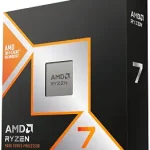
A Black Friday search for the 7800X3D is most useful when it starts with the build you intend to make, not a sale banner. This AMD Ryzen 7 desktop processor is listed with eight cores, 16 concurrent threads, a Socket AM5 connection, and a cache configuration that includes 8 MB L2 plus 96 MB L3. Those details give you concrete checkpoints for comparing the processor with your plans and the exact offer in front of you. The listing also provides a 4.2 GHz processor speed, a graphics frequency, a maximum operating temperature, and a process technology. Treat each as a specification to check, rather than a promise about results in a particular application.
The AMD Ryzen 7 7800X3D is a desktop processor identified as an eight-core, 16-thread model. Its specifications offer a useful starting point for shoppers who have already chosen a desktop build direction and want to compare a processor using details beyond a promotional headline. For Black Friday, the practical question is whether this exact model and its listed features suit the system you are planning—not whether a discount label alone makes it the right choice.
This is the guide’s Best for cache-focused comparison label: the listing specifies 8 MB L2 plus 96 MB L3 cache memory, a distinctive detail shoppers can weigh against their own priorities. The label describes a useful point of comparison, not measured superiority. Check the complete product listing and the precise variant attached to any Black Friday offer before deciding.
Confirm the platform fit before weighing the deal
The first practical checkpoint is the listed Socket AM5 connection. Compare that specification with the motherboard you intend to use, and verify the exact board and processor requirements before checkout. Socket information helps narrow the fit question, but it is not a substitute for checking the rest of a complete system plan. If you are assembling a new desktop, write down the components you have selected and confirm their requirements together rather than treating one matching detail as a complete compatibility answer.
This matters especially during Black Friday, when product pages and offer cards can make it easy to focus on a headline before confirming the model. Match the full AMD Ryzen 7 7800X3D name and the offer’s exact variant to the item you meant to buy. If the listing or cart presents a different model, pause and resolve that mismatch rather than assuming the offer is interchangeable. A clear platform check gives you a firmer basis for deciding whether the advertised deal belongs on your shortlist.
Use the core and thread figures to frame your workload
The processor is listed with eight cores and 16 concurrent threads. Those figures are useful planning details when you describe what you expect your desktop to handle, but the numbers alone do not establish how it will perform in any particular game, creative application, or multitasking routine. Start by identifying the software and tasks that matter to you, then compare the processor’s listed configuration with the requirements and guidance relevant to those tasks.
For a Black Friday purchase, write down what you want from the new build before browsing offers. That can help you avoid treating a higher or lower headline number as an automatic verdict. If your decision depends on application-specific results, seek suitable information for those applications rather than inferring performance from core and thread counts alone. The 7800X3D’s eight-core, 16-thread listing is a firm product detail; how that detail maps to your routine is a decision that needs your own use case.
Give the cache specification a job in your comparison
The listed cache is 8 MB L2 plus 96 MB L3 cache memory. Keep those two entries together when comparing the 7800X3D with other options, and avoid reducing the configuration to a vague claim that one processor is simply better. The cache figures describe the product; they do not, by themselves, tell you how a specific program will behave. Your applications and priorities should determine how much weight to give this part of the specification.
During Black Friday, a useful comparison note can be as simple as recording the exact processor name, its cache listing, and the offer you are considering. Then compare that same set of details across the candidates you are actually weighing. If a page highlights a single feature while leaving other details unclear, check the full listing rather than assuming the headline captures the whole product. That keeps the cache figure in context and makes your final choice less dependent on sales language.
Interpret the speed and graphics entries narrowly
The product page lists a processor speed of 4.2 GHz and a graphics frequency of 2200 MHZ. Keep the wording attached to each figure: the first is presented as processor speed, and the second as graphics frequency. The supplied details do not explain how either entry relates to a particular workload or describe broader graphics capabilities, so avoid turning these numbers into assumptions about real-world results or a specific use.
As you compare Black Friday offers, check that the speed and graphics entries belong to the exact product listing you intend to purchase. If those figures influence your decision, compare them with the information you need for your own system and applications. Do not use an isolated specification as a stand-in for a complete build assessment. The careful approach is to record what the listing says, identify what remains important to verify, and make the purchase only when the offer and model details line up with your plan.
Turn temperature and process details into verification points
The listing gives a maximum operating temperature (Tjmax) of 89°C and identifies 5 nm process technology. These are specific product details, not complete instructions for choosing or configuring a system. If temperature is part of your planning, consult the relevant system and processor guidance for the setup you intend to use instead of treating the maximum figure as a target operating condition. Likewise, consider the process entry as one specification among the details you compare, not as a standalone prediction of performance.
A Black Friday checklist should separate confirmed listing facts from questions that still need answers. Record the Tjmax and process technology as stated, then verify any other requirements that matter to your build from appropriate product information. This helps prevent an attractive offer from rushing you past practical planning. Nothing in these two entries alone establishes the complete cooling, power, or configuration needs of your system, so check those requirements for your particular setup before finalizing a purchase.
Make Black Friday comparisons model-specific
Before checkout, compare the exact 7800X3D listing and variant, not just the wording on a promotional tile. Confirm that the page identifies the AMD Ryzen 7 7800X3D and review the specifications that matter to you: Socket AM5, eight cores, 16 concurrent threads, 4.2 GHz processor speed, the stated cache, and the other listed entries. If an offer does not make the item or variant clear, resolve that uncertainty before relying on the headline.
Do not assume a Black Friday promotion is active, or that every offer represents the same product or terms. Compare the actual offer shown to you with the exact item you plan to buy, and check the listing details again when you reach checkout. A disciplined comparison includes both the price displayed at that time and the model information, without presuming a particular discount or availability. If the offer changes or the product details no longer match, reassess rather than carrying forward an earlier assumption.
Key specs
Socket
Processor Socket Socket AM5
Processor speed
Processor Speed 4.2 GHz
Core count
Processor Core Count 8
Concurrent threads
Processor Number of Concurrent Threads 16
Graphics frequency
Graphics Frequency : 2200 MHZ.
Maximum operating temperature
Maximum Operating Temperature (Tjmax) : 89°C.
Cache
8 MB L2 plus 96 MB L3 cache memory
Process technology
5 nm process technology
Make your Black Friday choice
A sound 7800X3D decision begins with the Socket AM5 fit, then weighs the core and thread configuration, cache, and remaining specifications against your intended system and applications. For Black Friday, finish by checking the exact model and variant on the offer and at checkout; do not let promotional wording replace that verification. The listed details provide a practical comparison framework, while your build requirements determine whether this processor belongs in your final choice.
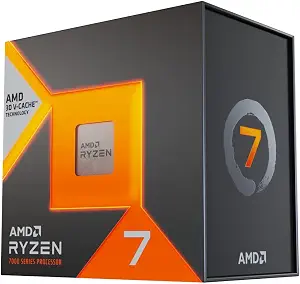 Check Price on Amazon