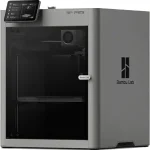
Snapmaker U1 3D Printer Buying Guide — Black Friday Deals 2026
Shopping for the Snapmaker U1 3D Printer during Black Friday calls for a needs-first check, not an assumption that a seasonal label guarantees a bargain. Start with the kinds of models and materials you expect to use, then see whether the printer’s stated build volume, four independent toolheads, and listed material compatibility fit those plans. Finally, compare the exact Black Friday listing and variant before deciding. The supplied specifications can help you judge practical fit, but they do not establish a sale price or current promotion.
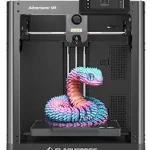
The Snapmaker U1 is specified with four independent toolheads, a 270 X 270 X 270 mm build volume, and printing speeds up to 500 mm/s. Those details give shoppers several concrete points to weigh: whether the stated working space suits the models they have in mind, whether four toolheads matter to their project plans, and whether the listed speed ceiling is relevant to their priorities. The speed figure is an upper limit, not a promise that every print will run at that pace. For a Black Friday purchase, read the listing for the exact product and variant rather than treating a headline as enough to settle the decision.
The printer is also listed as compatible with PLA, PVA, TPU, PETG, PCTG, ABS, ASA, PA, PC, and more. That range may be useful to shoppers whose material plans extend beyond one named option, but the listing does not specify the conditions for using each material. Check the exact listing and your own project requirements before buying. A 3.5-inch touchscreen is another stated feature to consider if you value an onboard display as part of your printer setup; the supplied information does not describe its functions, so avoid assuming particular controls or workflows.
For placement, the stated dimensions are 22.6 x 13 x 14.2 inches and the listed weight is 57.9 pounds. Compare those figures with the space you intend to use, allowing for your own setup needs rather than judging fit from the product name alone. The weight is worth considering when planning where the machine will live and how you will position it. Best for shoppers comparing build space, toolhead count, and a broad stated material list, the U1 is a candidate to evaluate against specific projects—not a reason to buy solely because Black Friday has arrived.
Start with the models you actually want to make
The U1’s build volume is listed as 270 X 270 X 270 mm. Before Black Friday, consider the dimensions of the models you expect to print and whether that stated space fits the projects you care about. A printer’s listed build volume is a more useful starting point than a vague impression of size, but it cannot tell you whether every particular design will fit. If you have a specific model in mind, check its measurements against the listing rather than assuming the printer will accommodate it.
Think about how often you anticipate using the available space, too. A shopper with a clear project in mind can use the figure as a direct fit check; someone still exploring possibilities can treat it as a boundary for future plans. This is a practical way to evaluate a Black Friday offer without letting urgency replace the design question. The supplied facts do not describe how the volume is divided or what other print-area considerations apply, so keep the comparison limited to the stated figure and the requirements you can verify.
Decide whether four toolheads matter for your plans
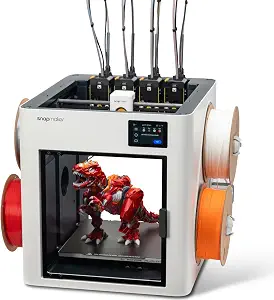
Four independent toolheads are a prominent part of the U1’s specification. That fact may be central for someone who has a particular reason to seek a printer with four toolheads, while another shopper may find that it is not a deciding factor. Start by writing down what you want the toolhead arrangement to help you do, then confirm that the listing’s description matches your expectation. The available facts establish the count and independence, but do not explain specific workflows or outcomes.
This distinction matters when weighing Black Friday choices: a feature is valuable when it addresses a real need, not simply because it sounds substantial. Avoid assuming how the toolheads interact with a project or promising yourself a particular result based on the count alone. If your plans do not depend on this feature, focus instead on the fit, materials, and other specifications that are relevant to you. That keeps the purchase grounded in what is stated rather than in unverified expectations.
Match the listed materials to your intended projects
The stated compatibility list includes PLA, PVA, TPU, PETG, PCTG, ABS, ASA, PA, PC, and more. Use that list as a prompt to identify the materials you expect to use, then check the exact Black Friday listing for any project-specific details you need. The phrase “and more” does not name additional materials, and the supplied facts do not set out material settings or conditions. Do not treat a broad list as a guarantee about every filament or every print situation.
If your plans currently center on a material named in the listing, confirm that the exact product page presents the same compatibility information for the variant you intend to buy. If you have not settled on materials, the range can inform your shortlist, but it should not replace researching your own requirements. This careful check is especially useful when comparing offers: the relevant question is whether the exact listing supports your intended choice, not whether a seasonal promotion makes the printer seem like a better match.
Read the speed figure as a ceiling, not a typical result
Snapmaker lists printing speeds up to 500 mm/s. The words “up to” matter: the supplied figure describes a maximum, not a stated speed for every print. If speed is important to you, consider it as one point in your comparison and look for the details needed to judge how it relates to your intended work. Those additional conditions are not provided here, so a Black Friday decision should not rest on an assumption that all jobs will reach the listed maximum.
For shoppers who place other needs first, such as matching the build volume to a model or checking material compatibility, the speed figure may simply be a useful specification to record. It is fine to compare the number with your priorities, but avoid turning it into an unsupported claim about how the U1 will perform in a particular scenario. Keeping the qualification attached makes the listing easier to interpret and helps separate a verified specification from expectations about everyday results.
Consider the display and the physical setup together
The U1 has a 3.5-inch touchscreen. If an onboard touchscreen is something you want, that is a clear stated feature to include in your comparison. The supplied facts do not explain what the display can do, so check the exact listing if specific functions matter to your decision. During Black Friday shopping, a named feature can help narrow options, but it should not be treated as evidence of an unlisted interface capability.
Placement is another part of the buying decision. The listed dimensions are 22.6 x 13 x 14.2 inches, and the listed weight is 57.9 pounds. Compare the exact dimensions with the location you have in mind and consider the weight when planning how to position the printer. These figures do not describe the additional room your setup may require, so make your own allowance based on the space and arrangement you intend to use. Checking fit before ordering can make the decision more deliberate than focusing only on a Black Friday headline.
Use a listing checklist before you commit
Before purchasing, verify that the Black Friday page is for the Snapmaker U1 and the variant you mean to order. Compare the displayed product details with the specifications relevant to your choice: 270 X 270 X 270 mm build volume, four independent toolheads, speeds up to 500 mm/s, a 3.5-inch touchscreen, the stated material list, and the listed dimensions and weight. These are useful checkpoints, not a substitute for reading the exact offer.
Do not assume that a Black Friday label means a discount is active or that every listing has identical terms. Compare the offer shown on the page with the product and variant you intend to buy, and confirm any details that affect your decision before checkout. If a needed specification is not clear, seek clarification from the listing rather than filling in the gap with an assumption. This final pass keeps the purchase tied to verifiable information and your intended use.
Key specs
Dimensions
22.6 x 13 x 14.2 inches
Weight
57.9 pounds
Toolheads
four independent toolheads
Build volume
270 X 270 X 270 mm
Printing speed
speeds up to 500 mm/s
Touchscreen
3.5-inch touchscreen
Compatible materials
Compatible with PLA, PVA, TPU, PETG, PCTG, ABS, ASA, PA, PC, and more
Make your Black Friday choice
The Snapmaker U1 is worth considering when its stated build volume, four independent toolheads, material compatibility, touchscreen, and physical dimensions align with your plans. Pick the features that genuinely matter, confirm the printer’s fit for your intended models and materials, and review the exact Black Friday listing and variant. Treat the speed as “up to” the listed figure, and do not count on an unverified promotion. A careful offer check is the clearest way to decide whether this Black Friday purchase makes sense for you.
 Check Price on Amazon