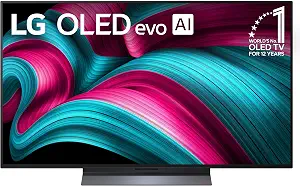
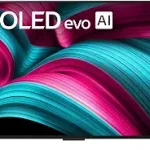
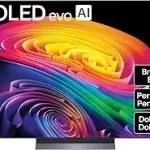
LG 42-Inch Class OLED evo AI 4K C5 Series Smart TV w/Dolby Atmos, Dolby Vision, HDR10, AI Super Upscaling 4K, Filmmaker Mode, Wow Orchestra, Alexa Built-in (OLED42C5PUA, 2025)
LG 42-Inch Class OLED evo AI 4K C5 Series Smart TV w/Dolby Atmos, Dolby Vision, HDR10, AI Super Upscaling 4K, Filmmaker Mode, Wow Orchestra, Alexa Built-in (OLED42C5PUA, 2025) (ASIN B0FBXXV8ZJ)
Best for a higher listed refresh rate
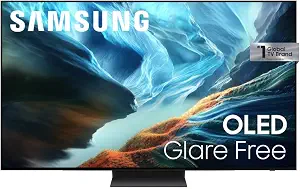
Samsung 65-Inch Class S90H Series, OLED, 4K, Smart TV, 2026 Model
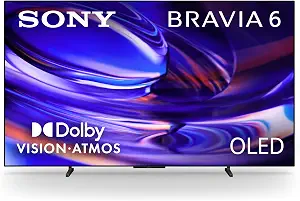
Sony 65 Inch BRAVIA 6 OLED 4K HDR Smart Google TV with Gemini (K-65A60) (ASIN B0HB8PKJG4)
Best Oled Tv Buying Guide — Black Friday Deals 2026
An OLED TV shortlist can look simple until screen size, refresh rate, HDR formats, connections and smart-TV details start pulling in different directions. These three models offer distinct decision points: a compact LG with named picture and audio formats, a Samsung whose listing specifies a higher refresh rate, and a Sony listing that names Dolby Vision support. For Black Friday, treat the seasonal headline as a prompt to compare, not as proof that a particular model is the right fit. Check the exact model and its listed configuration, then match its stated features to your room, viewing plans and equipment.
LG 42-Inch Class OLED evo AI 4K C5 Series Smart TV w/Dolby Atmos, Dolby Vision, HDR10, AI Super Upscaling 4K, Filmmaker Mode, Wow Orchestra, Alexa Built-in (OLED42C5PUA, 2025)
LG 42-Inch Class OLED evo AI 4K C5 Series Smart TV w/Dolby Atmos, Dolby Vision, HDR10, AI Super Upscaling 4K, Filmmaker Mode, Wow Orchestra, Alexa Built-in (OLED42C5PUA, 2025) (ASIN B0FBXXV8ZJ)
Best Overall: the LG 42-Inch Class OLED evo AI 4K C5 Series is a compact-size option with a substantial set of named features. Its 42-inch OLED display has 3840 x 2160 resolution and a 120 hertz refresh rate. The listing also names Dolby Atmos, Dolby Vision, HDR10, AI Super Upscaling 4K, Filmmaker Mode, Wow Orchestra and Alexa Built-in. That combination gives shoppers several details to weigh in one product, without requiring them to choose a larger screen simply to get a list of specified formats and features. Its 42-inch size may suit a plan where available space is a central constraint; measure the intended location and consider viewing distance before deciding.
For a desk-area setup, a smaller secondary room or a space where a large screen would dominate, this LG gives you a clearly stated size to compare against the room. Its four HDMI ports and three USB ports are useful details to check against the devices you intend to connect. Make a list of those devices first, then compare it with the port count and your planned arrangement. The listing states a response time of 0.1 milliseconds, as well as the 120 hertz refresh rate; keep those figures distinct rather than treating one as a substitute for the other. If your decision is mostly about finding a compact OLED with several named picture options, these specifications help focus the shortlist.
During Black Friday, look for the exact OLED42C5PUA model name when comparing listings. A seasonal message alone does not tell you whether the offer refers to this size and configuration, so check that identity before weighing the deal against other options. The product name includes the 2025 designation; use it alongside the model number to keep your comparison consistent. This is the Best Overall choice among these featured products as an editorial fit for shoppers who want a 42-inch OLED and a broad set of explicitly listed features. It is not a claim of measured superiority. If screen size is your main priority, compare how this model’s 42-inch footprint fits your plan before focusing on the additional labels.
Key specs
Screen size
42 inches
Display type
OLED
Resolution
3840 x 2160
Refresh rate
120 hertz
Response time
0.1 milliseconds
HDMI ports
4
USB ports
3
Samsung 65-Inch Class S90H Series, OLED, 4K, Smart TV, 2026 Model
Samsung 65-Inch Class S90H Series, OLED, 4K, Smart TV, 2026 Model (ASIN B0GPY4Y2VF)
Best for a higher listed refresh rate: Samsung’s 65-inch S90H Series is a 2026 model with an OLED display, 4K resolution and a listed refresh rate of 165 hertz. Those details may make it worth considering when refresh rate is a priority in your comparison. The listing also specifies four HDMI ports and Tizen as the operating system. Think about how a 65-inch screen fits the room and the viewing plan before giving the refresh-rate figure more weight than the size. The available facts do not establish how the set performs in a particular room or with particular content, so use the stated specifications to shape questions, rather than treating them as a promise about every viewing experience.
A practical way to assess this model is to work outward from the setup. First decide whether a 65-inch screen suits the intended location; then list the devices you might connect and compare that list with the four HDMI ports. If the operating system is part of your decision, Tizen is explicitly named, which gives you a concrete detail to research or compare with your preferences. The listing identifies the display as OLED and the resolution as 4K. Those details, together with the refresh rate, make a concise specification set for shoppers who want to compare screen format and connection needs without assuming that a single figure settles the choice.
For Black Friday, use the full S90H Series identity and 2026 model designation to check that the listing you are considering matches this product. Compare the exact offer and variant rather than relying on a category banner or headline; no seasonal label by itself establishes a saving or says whether the set suits your room. This model earns the Best for a higher listed refresh rate label because its stated 165 hertz figure is the highest refresh-rate specification among the three featured options. That is a narrow, specification-based editorial distinction, not a claim that it is better for every shopper or that the difference will matter in every use. If the figure is not central to your priorities, put screen size, connection needs and your preferred smart-TV setup back into the decision.
Key specs
Display
Display Technology OLED
Resolution
Resolution 4K
Refresh rate
Refresh Rate 165 hertz
Screen size
Screen Size 65 inches
HDMI ports
Total Number of HDMI Ports 4
Operating system
System Operating System Tizen
Sony 65 Inch BRAVIA 6 OLED 4K HDR Smart Google TV with Gemini (K-65A60)
Sony 65 Inch BRAVIA 6 OLED 4K HDR Smart Google TV with Gemini (K-65A60) (ASIN B0HB8PKJG4)
Best for Dolby Vision format support: the Sony BRAVIA 6 OLED 4K HDR Smart Google TV with Gemini lists Dolby Vision, HDR10 and HLG among its supported HDR formats. That makes the format list a useful starting point for shoppers who specifically want to compare Dolby Vision support. The model also specifies a 4K resolution, a 120 hertz refresh rate and four HDMI ports. Consider those details together with your planned content and connected devices, rather than treating any one label as a complete picture of suitability. The supplied product name identifies this as the K-65A60, while the specifications provide the details to use when checking a listing.
As you plan a viewing setup, first make a note of which HDR format names matter to you, then check the Sony’s stated list against those priorities. The listed Dolby Vision, HDR10 and HLG support gives you specific terms to look for when comparing options. If you also need several HDMI connections, the four-port specification can help you compare the TV with your equipment plan. The 120 hertz refresh rate is another explicit point for a shortlist, but its importance depends on what you value. The available information does not establish performance with a particular program, device or room, so keep the decision grounded in what is actually stated and what your setup requires.
Black Friday browsing can make format names easy to overlook while attention goes to a seasonal headline. Keep the K-65A60 model identity visible as you compare the exact offer, and confirm that the product listing corresponds to the Sony you intend to evaluate. The Best for Dolby Vision format support label reflects a provided specification, not a test result or a promise that every title uses that format. The product name calls this a Google TV with Gemini; treat that as a named part of the listing rather than assuming details about functions that are not specified here. If Dolby Vision is your deciding criterion, this Sony provides a clear listed format to compare while leaving room for you to weigh size, connections and other needs.
Key specs
Display
Display Technology OLED
Resolution
Resolution 4K
Refresh rate
Refresh Rate 120 hertz
HDR formats
HDR Format Supported Dolby Vision, HDR10, HLG
HDMI ports
Total Number of HDMI Ports 4
VESA mount
VESA Mount Standard 400 x 200 mm
Make the screen fit the everyday space
Start by identifying where the television will go and how you expect to use that space. The LG’s stated 42-inch screen gives it a different size profile from the Samsung’s stated 65-inch screen. The Sony product name also identifies it as a 65 Inch model. These are useful points of comparison, but they do not decide the question on their own: measure the intended location, account for the arrangement around it and consider how far away people will usually sit. A screen that fits the room and viewing plan is a more useful choice than one selected only because its listing has an appealing feature label.
Then separate fixed constraints from preferences. A limited surface or a plan for a smaller room may make the LG’s stated size a practical place to begin. If a larger screen is part of the plan, the Samsung and Sony names identify 65-inch-class options to assess against the available space. Do not assume the two will suit a particular wall or stand without checking the exact product details and your own measurements. During Black Friday, keep room fit on the shortlist even when a deal headline makes another feature seem urgent. Choosing a size deliberately helps you compare the actual models rather than drifting toward whichever offer is most visible.
Give refresh rate a role, not the whole decision
The listed refresh rates provide a clear way to sort these three televisions: the LG specifies 120 hertz, the Samsung specifies 165 hertz, and the Sony specifies 120 hertz. The Samsung therefore carries the highest stated refresh-rate figure in this group, which is the basis for its specific editorial label. Whether that detail should lead your own decision depends on your priorities. The supplied specifications do not establish how a set will look with particular content, or whether a given viewer will notice a difference, so avoid turning the number into a guarantee.
Check resolution separately. The LG lists 3840 x 2160, while the Samsung and Sony list 4K. Keep those descriptions in their original forms as you compare listings, and confirm the exact model rather than relying on a broad OLED search result. If you are considering Black Friday offers, write down the refresh rate and resolution for each exact variant before comparing the rest of the offer. That simple record can prevent a headline or a single prominent figure from eclipsing the qualities you actually care about. It also keeps the discussion focused on documented specifications instead of assumptions about performance.
Use the format list to narrow your choices
Picture-format names can make a shortlist more meaningful when you already know which labels you want to consider. The Sony lists Dolby Vision, HDR10 and HLG. The LG product name and supplied details include Dolby Vision and HDR10, along with Filmmaker Mode and AI Super Upscaling 4K. The Samsung facts provided here identify OLED and 4K, but do not provide an HDR-format list. That is a limit on what can be compared from these records, not evidence that a feature is absent. Check the exact listing if a particular format is essential to your decision.
A useful approach is to note your preferred format names before opening Black Friday deal pages. Then compare each exact model against that list, without treating a longer list as automatically better for every household. The Sony’s stated Dolby Vision support makes it a natural candidate for someone making that format a priority; the LG also names Dolby Vision and HDR10. Keep other needs in view, including screen size, ports and the smart-TV detail that matters to you. A format label is one decision input, not a substitute for checking whether the entire television fits your plans.
Plan connections and the software setup
Before choosing, list the equipment you expect to connect and compare it with the stated port information. The LG specifies four HDMI ports and three USB ports. The Samsung and Sony each specify four HDMI ports; no USB count is provided for those two in the available facts. Treat the missing count as something to verify if USB connections matter to your setup, not as proof that a port is unavailable. Also think through where cables and devices will sit so the physical arrangement makes sense for the location you have chosen.
The product records name different smart-TV details: Tizen for the Samsung, and Google TV with Gemini in the Sony product name. The LG product name includes Alexa Built-in. These names can help you decide what you want to investigate further, but the information here does not detail specific functions or compatibility. During Black Friday, compare the exact model and its stated setup features rather than assuming similar product categories share the same software or connections. If your household has a preferred interface or connected-device plan, use that as a practical filter alongside size and picture specifications.
Keep a Black Friday comparison tied to the model
A seasonal deal page is useful only if you can tell which television and variant it describes. Keep the model identifiers close at hand: OLED42C5PUA for the LG, S90H Series for the Samsung and K-65A60 for the Sony. The LG is identified as a 2025 model, and the Samsung as a 2026 model. Compare the exact product name and stated configuration before weighing an offer; do not assume a broad category banner applies to every size or model. No price or promotion is established here, so judge any offer using the details presented in the listing you are actually considering.
Make a short checklist before you shop: intended screen size, preferred HDR names, refresh-rate priority, connection needs and any smart-TV detail you care about. Then use that same checklist for each Black Friday option. This keeps the comparison consistent even when product pages emphasize different features. If one listing leaves out a specification you need, verify it in that exact listing rather than filling in the gap from another model. The goal is not to chase the most dramatic headline; it is to identify which exact television matches your constraints and then decide whether its current offer is worthwhile to you.
Make your Black Friday choice
The LG, Samsung and Sony each give shoppers a different starting point: a 42-inch OLED with several named features, a 65-inch Samsung with a listed 165 hertz refresh rate, and a Sony with Dolby Vision, HDR10 and HLG support listed. Match those details to your room, content priorities and connections before settling on a shortlist. For Black Friday, confirm the exact model and variant and evaluate the offer on its own terms; a seasonal message is not a reason to skip the fit check. The most useful choice is the one whose stated features align with the way you plan to use it.