Best Touchscreen Laptop Buying Guide — Black Friday Deals 2026
A touchscreen laptop can make selecting, scrolling, and navigating feel more direct, but the right choice depends on what surrounds the touch display: operating system, memory, storage, and the details of the screen itself. This shortlist spans Windows laptops with different display and storage configurations and a Chrome OS Chromebook. For Black Friday, use the exact model and configuration as your starting point rather than treating a promotion label as a reason to compromise. First decide which software environment suits your routine, then compare the listed specifications against the work you expect the laptop to handle.
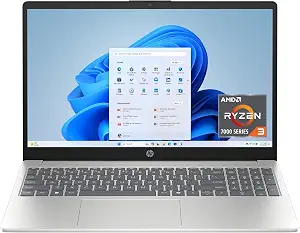
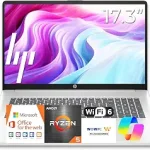
HP 15.6 inch Laptop, HD Touchscreen Display, AMD Ryzen 3 7320U, 8 GB RAM, 256 GB SSD, AMD Radeon Graphics, Windows 11 Home, Natural Silver, 15-fc0399nr
HP 15.6 inch Laptop, HD Touchscreen Display, AMD Ryzen 3 7320U, 8 GB RAM, 256 GB SSD, AMD Radeon Graphics, Windows 11 Home, Natural Silver, 15-fc0399nr (ASIN B0DWMLHYJ5)
Best Overall is the HP 15.6 inch Laptop, a Windows choice for shoppers who want a straightforward combination of a touchscreen, a Ryzen processor, and solid-state storage. Its AMD Ryzen 3 7320U has four cores and eight threads, with a maximum boost clock of up to 4.1 GHz. The configuration pairs that processor with 8 GB of onboard LPDDR5-5500 memory and a 256 GB PCIe NVMe M.2 SSD. Those details give you a concrete basis for considering everyday tasks and deciding whether the listed capacity suits your files and applications; they do not settle that question for every user. The operating system is Windows 11 Home.
The display is described as an HD touchscreen. That description is useful when comparing it with the FHD screens in this guide: consider how much screen detail matters for your own reading, documents, and media, rather than assuming that touch alone makes displays equivalent. The laptop weighs 3.5 pounds, a listed figure worth weighing against how often you expect to carry it. Realtek Wi-Fi 6 (2×2) and Bluetooth 5.3 are included in its wireless card, with gigabit data rate support. These supporting details may matter when you are checking a configuration against your home or work setup.
For Black Friday, this is a sensible Best Overall pick if your shortlist favors Windows 11 Home and a combination of 8 GB memory with a 256 GB SSD. Before choosing it, think through whether that storage capacity matches the files you plan to keep on the laptop and whether an HD touchscreen meets your screen priorities. The provided specifications do not describe battery life, webcam, or other display characteristics, so verify those details on the exact offer if they matter to your decision. This label is an editorial fit among these options, not a claim that this HP is the right choice for every shopper.
Key specs
Processor
AMD Ryzen 3 7320U (up to 4.1 GHz max boost clock, 4 MB L3 cache, 4 cores, 8 threads)
Memory
8 GB LPDDR5-5500 MT/s (onboard)
Storage
256 GB PCIe NVMe M.2 SSD
Operating system
Windows 11 Home
Wireless connectivity
Realtek Wi-Fi 6 (2×2) and Bluetooth 5.3 wireless card (supporting gigabit data rate)
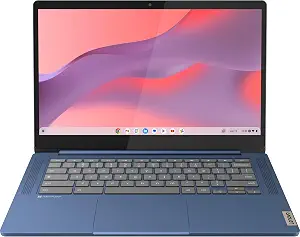
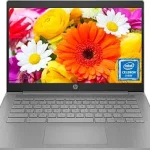
Best Budget is the Lenovo Flagship Chromebook, a compact-screen option for shoppers whose preferred environment is Chrome OS. Its 14-inch Full HD touchscreen gives you a clear point of comparison with the HD touchscreen on the HP and the 15.6-inch FHD display on the Dell. The processor is a MediaTek Kompanio 520 octa-core, made up of four A73 cores at 2.0GHz and four A53 cores at 2.0GHz. The listed memory and storage are 4GB RAM and 64GB eMMC. Those capacities are important to check against your anticipated applications and files, especially if you expect to keep a substantial amount of content on the device.
This Lenovo runs Google Chrome OS rather than Windows 11 Home. That difference should lead your decision: consider which operating system fits the software and habits you already rely on, and verify that the applications you need suit the Chromebook environment. The specification also lists Wi-Fi 6, 11ax 2×2, and Bluetooth 5.1, plus battery life of 13.5 hours. Treat that battery figure as the product’s stated claim, not a promise about every pattern of use. The touchscreen can be a useful part of navigating and interacting with the device, but the operating system and listed capacity deserve equal attention.
The Best Budget label identifies this Chromebook as the budget-oriented choice among the products in this guide; it does not indicate a verified price advantage or a current promotion. During Black Friday, compare the exact Lenovo model and its 4GB RAM and 64GB eMMC configuration with the terms of any offer you are considering. This option may make sense when Chrome OS is a deliberate choice, the 14-inch FHD touchscreen fits your preferences, and the listed capacity works for your needs. If you are accustomed to Windows software or want a different memory and storage configuration, pause to check those requirements before deciding. A sale should not outweigh a mismatch in platform or capacity.
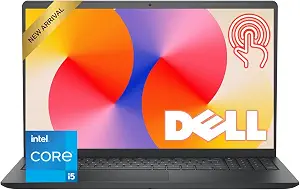
Best for a 120Hz touchscreen display is the Dell 15.6-inch FHD Touchscreen Laptop. Its display combines Full HD resolution with a 120Hz refresh rate, an IPS panel, and an anti-glare finish. Those are the distinguishing screen details in this shortlist; consider which of them matter to the way you read, browse, or work before letting the headline refresh rate decide for you. The processor is a 13th Gen Intel Core i5-1334U with 10 cores and speeds up to 4.60GHz. The listed configuration also includes 8GB DDR4 RAM and a 512GB SSD.
Windows 11 Home is the operating system, making this a Windows alternative to the Chrome OS Lenovo. A 512GB SSD may be a practical point of comparison if storage capacity is high on your checklist, but compare that figure with the files and applications you expect to keep locally. The Dell also lists an FHD 1080p webcam and battery life of up to 9 hours. Keep the qualification “up to” in view when considering the battery claim; your own usage can differ from the conditions behind a stated figure. The specifications provide useful comparison points without requiring you to assume that a particular feature guarantees a specific result.
For Black Friday, the Dell’s Best for a 120Hz touchscreen display label makes the screen specification easy to identify, not a promise of measured superiority over other laptops. Check that the offer is for this exact model and that the display, processor, memory, storage, operating system, webcam, and battery details match the configuration you intend to buy. If you care most about display characteristics, weigh its FHD resolution, IPS panel, anti-glare finish, and 120Hz refresh rate together. If portability or a particular software environment matters more, include those priorities in the decision rather than focusing on the display alone. The listed facts do not specify the laptop’s weight, so confirm that separately if carrying it is central to your plans.
Key specs
Processor
13th Gen Intel Core i5-1334U processor with 10 cores and speeds up to 4.60GHz
Memory
8GB DDR4 RAM
Storage
512GB SSD
Display
15.6-inch Full HD touchscreen with a 120Hz refresh rate, IPS panel, and anti-glare finish
Operating system
Windows 11 Home
Webcam
FHD 1080p webcam
Battery life
up to 9 hours of battery life
Decide which screen details earn their place on your shortlist
Touch is one part of the display, not a complete description of it. The HP listing identifies a 15.6-inch HD touchscreen, the Lenovo has a 14-inch Full HD touchscreen, and the Dell combines a 15.6-inch Full HD touchscreen with a 120Hz refresh rate, IPS panel, and anti-glare finish. Those descriptions let you compare stated characteristics, but the most useful screen depends on your own priorities. Consider whether you value the listed resolution, a particular screen size, or the Dell’s additional panel details. Think about how you read, navigate, and view content before deciding that one screen specification matters most.
Also decide what you expect touch to add. It may suit the way you prefer to select items or move through content, while other tasks may keep your attention on the keyboard and screen. Avoid assuming every touchscreen laptop has the same display properties simply because each product supports touch. For Black Friday, write down the screen details you actually want before browsing offers. Then check that the product page and selected model identify those same features; a similar product name or a general touchscreen description is not enough to confirm a particular resolution or panel detail.
Pick the software environment before weighing hardware
The operating system separates these choices in a meaningful way. The HP and Dell run Windows 11 Home, while the Lenovo runs Google Chrome OS. Start with the applications, accounts, and working habits you expect to use, and verify that the operating system on your shortlist fits them. Do not assume that a device is suitable for a particular application merely because it has a touchscreen or a named processor. The provided product details identify operating systems and hardware, but do not list application compatibility.
This choice can also clarify what to compare next. If you want Windows 11 Home, focus your comparison on the HP and Dell configurations, including the HP’s 256 GB PCIe NVMe M.2 SSD and the Dell’s 512GB SSD. If Chrome OS is the right fit, assess the Lenovo’s 4GB RAM and 64GB eMMC in that context. For Black Friday, confirm the operating system and exact configuration attached to the offer instead of relying on a broad category label. A lower advertised offer would not make the wrong software environment a better match for your routine.
Match memory and storage to the work you expect
Memory and storage describe different parts of a laptop configuration, so compare both rather than treating one as a substitute for the other. The HP lists 8 GB of onboard LPDDR5-5500 memory and a 256 GB PCIe NVMe M.2 SSD. The Dell lists 8GB DDR4 RAM and a 512GB SSD. The Lenovo lists 4GB RAM and 64GB eMMC. These are the capacities provided for these particular products; they do not establish how much space or memory every shopper needs.
Make a practical inventory of the files, applications, and ongoing work you expect to handle. Then consider whether the listed storage capacity is appropriate and whether the memory configuration fits your plans. If you already know that you keep many files locally, capacity deserves careful attention; if your priorities are different, weigh those instead. During Black Friday, check that the selected configuration has the capacity you compared, because a listing for a product family may not be enough to establish what is included in the specific offer. Avoid choosing solely by the largest number: your operating system and intended use still matter.
Put wireless, camera, and battery details in context
Supporting specifications can help settle a close choice when they address something you care about. The HP lists Realtek Wi-Fi 6 (2×2) and Bluetooth 5.3, with gigabit data rate support. The Lenovo lists Wi-Fi 6, 11ax 2×2, Bluetooth 5.1, and battery life of 13.5 hours. The Dell lists an FHD 1080p webcam and battery life of up to 9 hours. These details are not interchangeable: first identify which of wireless connectivity, webcam, or stated battery life is relevant to your routine.
Keep the wording of battery specifications intact when comparing them. The Lenovo’s listed 13.5 hours and the Dell’s “up to 9 hours” are product claims, not guarantees that every user will get the same duration. The HP details supplied here do not state battery life or webcam specifications, so confirm those points on the exact offer if they are essential. For Black Friday, use these features as tie-breakers only after checking the operating system, display, memory, and storage you need. A feature that is not described in the provided details should be verified rather than assumed.
Use a Black Friday checklist to verify the offer
Before placing a product on your final shortlist, note its full model name and the specifications that drove your interest. For the HP, that may mean checking the Ryzen 3 7320U, 8 GB onboard memory, 256 GB SSD, and HD touchscreen. For the Lenovo, confirm Chrome OS, its 14-inch Full HD touchscreen, and the listed 4GB RAM and 64GB eMMC. For the Dell, verify the 120Hz FHD touchscreen details alongside its 8GB DDR4 RAM and 512GB SSD. The point is to compare a specific configuration, not just a brand or screen type.
During Black Friday, inspect the exact offer and product variant before making a decision. Confirm that the selected model matches the configuration you evaluated, and check any additional details that matter to you, such as weight or battery life when they are not specified here. No sale price, discount, or current promotion is established by this guide, so compare the terms shown for the offer you are considering rather than expecting a particular deal. If a detail is unclear, resolve that uncertainty before treating the laptop as a match. A short checklist can prevent a tempting offer from distracting you from your actual requirements.
Make your Black Friday choice
The best touchscreen laptop for you is the one whose screen, operating system, and listed capacities line up with your everyday constraints. Choose the HP if its Windows 11 Home setup and HD touchscreen suit your priorities; consider the Lenovo when Chrome OS and its 14-inch FHD touchscreen fit; and look to the Dell if its FHD 120Hz display details are especially relevant. Before buying on Black Friday, verify the exact model and configuration, then compare the offer against your checklist. Treat the editorial labels as guidance among these options, not as a substitute for deciding what you need.