Westinghouse 12500 Watt Dual Fuel Home Backup Portable Generator, Remote Electric Start, Transfer Switch Ready, Gas and Propane Powered (ASIN B07Q1DLKBG)
Best for Fuel Flexibility
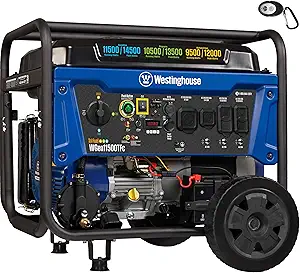
Westinghouse 14500 Peak Watt Tri-Fuel Home Backup Portable Generator
Best Generator Buying Guide — Black Friday Deals 2026
A generator decision starts with the jobs you expect it to cover, not with the biggest wattage on a listing. A short outage plan may favor a gasoline inverter with an RV outlet, while home backup planning can point toward a higher-output model with transfer-switch-ready connections. Fuel access, starting method, storage space and the equipment’s connection requirements matter too. This guide compares three different approaches: a gasoline inverter, a dual-fuel home-backup generator and a tri-fuel option. The Black Friday label is a useful prompt to check listings, not a promise that any item is discounted. Compare the exact model and configuration shown, then decide whether its specifications fit your intended tasks.
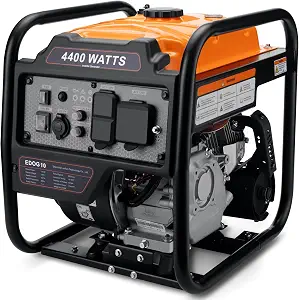
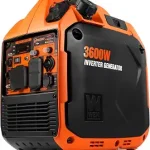
Power Equipment 4400 Watts Inverter Generator Gas Powered
Power Equipment 4400 Watts Inverter Generator Gas Powered (ASIN B0FQ5BB6SS)
For a plan centered on gasoline and a moderate load list, this inverter generator offers 4400 peak watts and 3400 running watts. Those figures give you a starting point for checking the requirements of the devices you intend to connect. Peak and running output are not interchangeable, so compare each appliance or tool’s requirements with the appropriate figure rather than treating the larger number as continuous capacity. Its Best Budget label is an editorial designation among the products in this guide; the supplied information does not establish a price advantage. During Black Friday shopping, compare the listing’s exact model and configuration rather than assuming that the label or season guarantees a lower cost.
The outlet selection includes 2*120V AC ports, 1*12V DC port and 1*RV port. That variety may be relevant if your planned setup includes equipment with one of those connection types, but check the device plugs and any required connection path before deciding. The generator is gasoline-powered and has a 2 gallon fuel tank. No runtime figure is provided here, so the tank size alone cannot tell you how long it will run for your particular load. Think through where gasoline will come from during the situations you have in mind, and follow the product instructions for operation and fuel handling.
At 56 pounds, its listed weight is useful to consider when planning where it will be stored and how you will position it for use. The stated noise level is under 72 dBA from 23FT away; keep that distance qualification in mind when comparing listings, rather than treating it as a measurement at every position. Before a Black Friday purchase, map your intended location, cable route and device connections, then check that the product details match your plan. This model may suit a shopper whose needs align with its gasoline fuel, listed outlets and output figures. It is not a substitute for checking the actual load requirements or any relevant operating guidance.
Key specs
Power output
4400 peak watts and 3400 running watts
Fuel
Gasoline
Outlets
2*120V AC ports, 1*12V DC port, 1*RV port
Fuel tank
2 gallon fuel tank
Noise level
Under 72 dBA from 23FT away
Weight
56 pounds
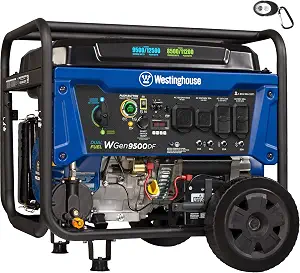
Westinghouse 12500 Watt Dual Fuel Home Backup Portable Generator, Remote Electric Start, Transfer Switch Ready, Gas and Propane Powered
Westinghouse 12500 Watt Dual Fuel Home Backup Portable Generator, Remote Electric Start, Transfer Switch Ready, Gas and Propane Powered (ASIN B07Q1DLKBG)
This Westinghouse is the guide’s Best Overall pick because its supplied details combine substantial stated output, two fuel options, remote and other starting methods, and a range of listed outlets. That editorial label describes its role among these three products; it is not a test result or a claim that it fits every household. On gasoline, it provides 9500 running watts and 12500 peak watts. On propane, the figures are 8500 running watts and 11200 peak watts. Compare the applicable running and peak figures with the loads in your plan, and verify which fuel you expect to use. For Black Friday, check the exact listing configuration instead of treating the product title as a guarantee about an offer.
The generator can be started remotely with the included key fob, electrically or by recoil. These are useful details to weigh against how you expect to start it and where you intend to place it; the listing facts do not establish which method will be most convenient for your situation. Its stated runtime is up to 12 hours, and its fuel tank volume is 6.6 gallons. Treat “up to” as a qualified figure, not a promise of a particular runtime for your load or conditions. The 457cc Westinghouse 4-Stroke OHV engine includes a cast iron sleeve, automatic low oil shutdown and a digital hour meter, all details to review alongside the operating instructions.
Connection planning is especially important for a home-backup use case. The outlets include two GFCI 120V 5–20R 20A standard household receptacles, one transfer switch ready 120V L14-30R 30A outlet and one RV ready 120/240V 14–50R 50A outlet. Check the equipment and intended connection method before purchase; do not assume an outlet alone establishes a complete installation. Black Friday can make it tempting to focus on the headline wattage, but fuel choice, starting preference and outlet match deserve equal attention. If these specifications align with your planned loads and connection path, this model offers a broad set of details to evaluate in one home-backup candidate.
Choose this Westinghouse when fuel flexibility is central to the decision. Its supplied fuel options are gasoline, liquefied petroleum gas and natural gas, giving the shopper three stated fuel types to consider when planning for backup. That is the reason for its Best for Fuel Flexibility label: it is an editorial distinction based on the listed options, not a claim of measured superiority. The published output in the provided details is 11,500 running and 14,500 peak watts on gasoline. No running or peak figures for the other fuels are supplied here, so do not assume the gasoline figures apply to propane or natural gas. For a Black Friday comparison, check that the listing refers to this exact tri-fuel model.
The product information says its 50A and 30A outlets pair well with an interlock kit, manual transfer switch or Westinghouse WATS200 ATS system for home backup; those items are sold separately. That note makes the connection plan part of the buying decision. Identify the equipment and setup you intend to use, and verify the details with the relevant product information and qualified guidance before making a home connection. The generator’s stated dimensions are 27.2″L x 26.1″W x 26.5″H, and its listed weight is 230 pounds. Consider those details when choosing storage and placement, without assuming that the measurements answer every access or handling question.
Compared with a single-fuel plan, multiple listed fuel choices can make supply availability a more prominent part of the decision, but the useful option depends on what you can safely and practically use. Check fuel arrangements, connection requirements and the instructions for each mode rather than choosing from the name alone. Black Friday shoppers should also verify that the offer they are viewing is for the tri-fuel version and includes the configuration they intend to buy. This model’s strongest stated distinction is its fuel choice, while its gasoline output and home-backup connection note help frame further checks. Build the decision around those verified facts and your intended installation.
Key specs
Fuel options
Fuel Type Gasoline, Liquefied Petroleum Gas, Natural Gas
Running and peak wattage
Delivers 11,500 running/14,500 peak watts on gasoline.
Outlets and home backup
50A and 30A outlets pair well with an interlock kit, manual transfer switch or Westinghouse WATS200 ATS system for home backup (sold separately).
Dimensions
27.2″L x 26.1″W x 26.5″H
Weight
230 pounds
Turn household needs into a load shortlist
Write down the devices or systems you hope to power before comparing generator listings. For each, identify its connection type and consult its own power requirements, including any starting demands specified by its manufacturer. Then compare that list with a generator’s running and peak figures. The two figures serve different roles; do not add them together or treat peak output as the amount available continuously. If the load information is uncertain, pause and confirm it rather than choosing by headline wattage. This process helps distinguish the 4400 peak watts and 3400 running watts of the inverter from the larger gasoline output listed for the Westinghouse models, without assuming that any one generator automatically suits your household.
Next, decide which loads are priorities and which are optional. A plan built around essential devices may call for a different combination of output and connections than one intended to cover many household needs. Consider whether equipment would run at the same time, and check the relevant instructions before connecting it. During Black Friday research, use this load list to compare the exact model against your needs instead of allowing a seasonal promotion or a large peak figure to make the decision for you. If the listing does not answer a key question about your planned load, seek clarification before purchase. A careful shortlist makes the tradeoffs visible and can prevent paying attention to features that do not solve your actual power needs.
Follow the connection path before choosing a model
A generator outlet is only one part of a connection plan. Start at the device and note its plug and electrical requirements, then trace the route back to the generator. The inverter lists 120V AC, 12V DC and an RV port. The dual-fuel Westinghouse lists household receptacles, a transfer switch ready outlet and an RV ready outlet. The tri-fuel model’s supplied information highlights 50A and 30A outlets and names home-backup equipment that they pair well with. These descriptions are not interchangeable: check the exact outlet type and the connection equipment your plan requires rather than inferring compatibility from a product category or an outlet label.
For a home connection, the dual-fuel model’s transfer switch ready outlet and the tri-fuel model’s note about an interlock kit, manual transfer switch or WATS200 ATS system are useful starting points for research. The listed transfer equipment for the tri-fuel model is sold separately. Confirm the setup with appropriate instructions and qualified guidance; a generator listing does not establish that an installation is complete or suitable for your home. For an RV or individual device, verify the connection details for that equipment as well. Black Friday comparisons should include these practical requirements, not just the generator itself. If an offer’s configuration is unclear, check what exact model and components are represented before deciding whether it matches your connection plan.
Make fuel plans match real availability
Fuel choice affects what you need to arrange before a power interruption. The inverter is gasoline-powered, while the 12500-watt Westinghouse model can use gasoline or propane. The tri-fuel Westinghouse lists gasoline, liquefied petroleum gas and natural gas. Having multiple stated fuel types may matter if you have a practical supply plan for them; it does not by itself establish which fuel is easiest to obtain or best for your circumstances. Think about the fuels you can use, the way you will store or access them, and the product instructions for changing or operating with a chosen fuel.
Tank and runtime details also need careful reading. The inverter’s listed tank is 2 gallon, but no runtime is provided in these details. The dual-fuel model lists a 6.6-gallon tank and up to 12 hours of runtime, which remains a qualified figure rather than a guarantee for every load. The tri-fuel information here gives gasoline output but no comparable runtime details. Avoid filling gaps with assumptions. For Black Friday, compare those disclosed facts and note what remains unanswered before treating two offers as equivalent. A fuel plan that fits your likely supply and operating needs is more useful than choosing a model based only on the number of fuel types in its title.
Compare the Black Friday listing, not just the headline
A seasonal label does not tell you whether a listing suits your needs or whether its configuration matches another page you have viewed. Confirm the full product name and model, then compare the listed fuel type, output figures, outlets, starting methods and other details that matter to your plan. Check any included or separately sold equipment carefully. For example, the tri-fuel model’s home-backup note identifies compatible planning options but says those items are sold separately. The dual-fuel listing specifies a key fob along with electric and recoil starting. The inverter lists a gasoline tank and several outlet types. These are concrete details to compare, not evidence of an active promotion.
When considering an offer, record the exact variant and the information you can verify on that listing. Do not assume that a product title, image or Black Friday banner resolves questions about contents, fuel configuration or connection needs. If the relevant detail is missing or inconsistent, seek clarification before buying. A useful comparison weighs the complete offer against the load and setup you have already defined; it does not rely on an unverified savings claim. This approach also keeps attention on the features you will use rather than on seasonal urgency. If the listing does not provide enough information for a confident match, waiting for a clearer description is a sound decision.
Plan placement, movement and operation
Think about where a generator will be stored and where it will operate, using the dimensions and weight that are actually provided. The inverter is listed at 56 pounds, while the tri-fuel model is 230 pounds and has stated dimensions of 27.2″L x 26.1″W x 26.5″H. The dual-fuel model’s supplied details focus on its engine and operating features rather than a weight or footprint, so do not infer those measurements. Check the space and access route at your location, and consult the product instructions for safe placement and operation. A number on a listing is a planning input, not a complete answer about handling.
Noise information also has a specific qualification: the inverter is listed as under 72 dBA from 23FT away. Keep the stated distance attached to that figure when deciding whether it is relevant to your intended location; it does not describe every position or circumstance. The dual-fuel model includes automatic low oil shutdown and a digital hour meter, details to consider when reviewing its operating information. Black Friday is a useful time to compare such particulars alongside price information shown by the listing, but do not let a sale headline replace checks about placement, instructions and storage. Choose a location and routine that suit the model and comply with its guidance.
Make your Black Friday choice
The right generator is the one whose stated output, fuel, outlets and practical details line up with the tasks you have identified. The gasoline inverter emphasizes its listed outlet variety and 56-pound weight; the dual-fuel Westinghouse combines two fuel options with several starting methods and specified home-backup outlets; the tri-fuel model stands out for its three listed fuel types and stated home-backup connection options. These distinctions offer useful starting points, not automatic answers. As Black Friday listings appear, verify the exact model and offer, check the load and connection requirements, and account for the fuel you can use. A deliberate comparison is more valuable than assuming a seasonal label means the generator is right for your plan.