Crucial BX500 2TB 3D NAND SATA 2.5-Inch Internal SSD (ASIN B07YD5F561)
Best 2Tb Ssd Buying Guide — Black Friday Deals 2026
Where will an extra two terabytes of storage actually go: inside a computer, into a console-compatible setup, or into a bag for moving files? That practical question separates these three options more clearly than capacity alone. The Samsung is an internal M.2 drive, the Crucial is a 2.5-inch SATA drive, and the SanDisk is portable with a USB connection. Their listed speeds and extra features also serve different routines. For Black Friday, treat the advertised offer as only one part of the decision: confirm that the exact model and configuration match your device and intended use before comparing prices. The right pick is the one that fits your setup without asking you to compromise on the connection you need.
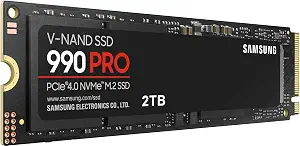
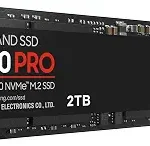
The Samsung SSD 990 PRO 2TB earns the Best Overall label among these listed choices because it brings together an internal M.2 form factor, a PCIe x4 interface, and compatibility listed for desktops, laptops, and Sony PlayStation 5. That combination makes it worth considering when you are planning an internal storage upgrade and have confirmed that your particular device accepts this drive type. The product listing gives read and write speeds up to 7450/6900 MB/s. Those figures are useful for comparing options, but they are maximum listed speeds, not a promise that every device or task will reach them.
Think about what an internal drive changes in your routine. It can be a candidate for keeping frequently used files or applications within a compatible computer, rather than carrying a separate storage device between locations. PlayStation 5 compatibility is also stated, so a console owner can investigate it as an option while still checking the console’s requirements and the exact listing. The key tradeoff is fit: M.2 2280 and PCIe x4 describe a particular internal format and connection, not a universal replacement for every drive bay or device. Verify the host device before treating the capacity as useful to your setup.
During Black Friday, compare the exact 2TB Samsung listing with your device’s requirements rather than choosing it simply because the name or speed figures look appealing. Confirm the model, form factor, interface, and compatibility details on the offer you are considering. The Best Overall label is an editorial choice within this group, not a claim of measured superiority or a guarantee that it suits every shopper. If you need a portable drive or your device takes a 2.5-inch SATA drive instead, another product here may be the more sensible match. Choose this one when the internal M.2 format and listed compatibility align with your plan.
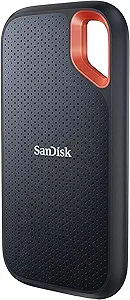
The SANDISK 2TB Extreme Portable SSD is the Best for Portable File Management because the listing pairs portable storage with USB 3.2 Gen 2, a SanDisk Memory Zone app, and hardware encryption. It is the option to examine if your files move between places and you want the storage device itself to be part of that routine. Its listed read and write speeds are up to 1050MB/s and 1000MB/s. As with any maximum speed claim, consider those figures alongside the connection used and the devices involved rather than assuming a particular transfer time.
Protection details may matter if a portable drive travels with you. The listing specifies up to 3-meter drop protection and IP65 water and dust resistance, as well as 256-bit AES hardware encryption. These stated features give shoppers concrete points to weigh when deciding whether this model suits their file-handling habits; they do not remove the need to handle important data carefully. The Memory Zone app is another listed feature to consider if file management is part of your reason for choosing a portable drive. Check that the exact version and included details on the listing match what you expect.
For Black Friday, assess the SanDisk offer as a complete match for your routine: portable form, USB connection, stated protection, encryption, and file-management app. Do not compare its speed figures with an internal drive as though the products use the same connection or serve the same role. Confirm the exact model and capacity before deciding that a deal is relevant. The Best for Portable File Management label reflects the combination of listed portability-related and file-management features, not a test result. If your priority is storage installed inside a compatible computer, compare the Samsung or Crucial instead; if you regularly carry files, this model’s listed extras may be more relevant.
Key specs
Capacity
2 TB
Interface
USB 3.2 Gen 2
Read and write speeds
up to 1050MB/s read and 1000MB/s write speeds
Drop and water/dust protection
Up to 3-meter drop protection and IP65 water and dust resistance
Hardware encryption
256‐bit AES hardware encryption
File management app
SanDisk Memory Zone app
Crucial BX500 2TB 3D NAND SATA 2.5-Inch Internal SSD
Crucial BX500 2TB 3D NAND SATA 2.5-Inch Internal SSD (ASIN B07YD5F561)
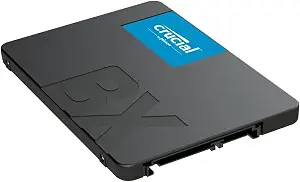
The Crucial BX500 2TB 3D NAND SATA 2.5-Inch Internal SSD is the Best Budget choice in this group for shoppers whose system accepts a 2.5-inch 7mm SATA drive. Its 2.5-inch form factor and SATA 6 GB/s interface make the first question one of fit, not price: check the computer’s requirements before comparing offers. The listing gives a read speed of 540 megabytes_per_second. It does not provide a write-speed figure in the supplied details, so use the listed read figure for the comparison and avoid assuming a matching write speed.
This internal drive may suit someone looking to add or replace storage in a compatible desktop or laptop. The listing’s compatibility wording is specific: the device must accept a 2.5-inch 7mm SATA drive. That helps narrow the decision, but it is still worth checking your own system’s documentation and available connection before ordering. The product dimensions are listed as 3.95″L x 2.75″W x 0.27″Th; compare the stated form factor and your device’s requirements rather than relying on appearance alone. An internal SATA drive is a different kind of purchase from a portable USB SSD or an M.2 drive.
A Black Friday price comparison is useful only after confirming that the exact Crucial model is the right physical and connection match. The Best Budget label is an editorial distinction among the featured products; it does not establish a current price advantage, sale, or market-wide ranking. Compare the offer’s model and capacity, then decide whether the stated read speed and SATA format meet your needs. If you need a portable device for file transfers, the SanDisk has different listed features. If your computer accepts an M.2 2280 drive, check that requirement separately rather than assuming this 2.5-inch option will fit. Buy for the interface your device takes.
Key specs
Capacity
2 TB
Interface
SATA 6 GB/s
Form factor
2.5-inch
Read speed
540 megabytes_per_second
Compatibility
This drive is compatible with desktops and laptops that accept 2.5″ 7mm SATA drives
Dimensions
3.95″L x 2.75″W x 0.27″Th
First identify the storage destination
Start by deciding where the drive will live. The Samsung and Crucial are internal choices, but their listed formats differ: one is M.2 2280 with a PCIe x4 interface, while the other is a 2.5-inch SATA drive. The SanDisk is presented as a portable SSD with a USB 3.2 Gen 2 interface. These distinctions affect the kind of device connection you need; two drives with the same capacity are not automatically interchangeable. Check the computer or console documentation for the storage type it accepts, and confirm that information against the exact product listing.
This is especially important when Black Friday pages put capacity prominently and connection details farther down. Make a short list of your intended host devices and the drive types they support before comparing offers. For a desktop or laptop upgrade, determine whether the system takes an M.2 drive or a 2.5-inch SATA drive. For a portable file routine, decide whether an external USB drive is what you want. The Samsung listing also names Sony PlayStation 5 compatibility, which gives console shoppers a specific detail to verify. Do not treat a broad device category as proof that every model within it supports a given drive.
If you are uncertain about fit, pause the purchase until you can confirm it. Capacity is valuable only if the drive connects to the device where you plan to use it. A lower offer on an incompatible format is not a useful match, and a more feature-rich portable model does not replace an internal upgrade when installation is your goal. Let the connection and physical format narrow the choices first; compare the rest of the listing after that.
Compare speed claims on their own terms
The speed information here is not expressed in one identical way. Samsung lists read and write speeds up to 7450/6900 MB/s. SanDisk lists up to 1050MB/s read and 1000MB/s write. Crucial provides a read speed of 540 megabytes_per_second, with no write-speed figure in the supplied details. Keep each claim attached to its product and interface when you compare them. Maximum listed speeds are not the same thing as a guaranteed result in every computer, transfer, or workload.
The connection matters because these products are designed for different roles: an internal M.2 PCIe x4 drive, a portable USB drive, and a 2.5-inch SATA drive. A headline number alone does not tell you how a particular file transfer will feel in your setup. Consider what you do most often. Moving files to a portable drive, installing storage inside a compatible computer, and expanding a system that accepts SATA are different jobs. Use the relevant listed speed as one selection detail, not as a substitute for checking device compatibility or the connection.
During Black Friday, product pages may place promotional language beside speed claims. Separate the offer from the specification: identify the exact model first, then review its interface and stated speed figures. Avoid treating a speed number from one connection type as a direct prediction for a different setup. If the listing you are considering does not clearly match the facts you need, do not fill in missing details by assumption. Choose based on the information available and the task you want the drive to handle.
Decide what portability should provide
A portable SSD can be useful when storage needs to travel with files, but the practical reasons for choosing one vary. SanDisk lists up to 3-meter drop protection and IP65 water and dust resistance, plus 256-bit AES hardware encryption. It also lists the SanDisk Memory Zone app for file management. These are specific features to consider if a drive will be carried or if encryption and file organization matter to your routine. They are not a reason to skip checking the model details or to assume that a device is immune to damage.
The internal Samsung and Crucial options serve a different storage role. Their supplied details focus on internal formats and host compatibility rather than the SanDisk’s portable-oriented feature set. That does not make one category universally better. Ask whether you want to install storage in a compatible system or keep a separate drive available for moving files. If files will move between devices, confirm the connection and your devices’ ability to use it. If the drive is meant to stay inside a computer, prioritize the supported internal format instead.
When reviewing Black Friday offers, treat extra features as decision points rather than decoration. A protection specification, encryption, or file-management app may be relevant to one person and incidental to another. Check that the exact listing includes the features you are relying on, then compare the offer with other products that match the same job. This approach keeps a portable-drive purchase focused on how you actually handle files, instead of letting a sale label push you toward a form factor that does not suit your setup.
Plan capacity around the files you keep
Each featured product is listed with 2 TB of capacity, so capacity alone does not distinguish this selection. Instead, consider what you want that space to do. You might be planning an internal expansion, keeping a portable collection of files, or replacing storage in a device that accepts a 2.5-inch SATA drive. Naming the intended role makes it easier to choose between the three formats and prevents a broad capacity match from obscuring the connection requirement.
Think through where you will access the stored files and whether they need to move. A portable drive can be carried between work locations or used as a separate file destination, while an internal drive is selected for a compatible host device. These are planning examples, not claims about a particular transfer time or performance outcome. Make sure the device can accept the drive and that the listing’s model and capacity are the ones you mean to purchase. If you are replacing a drive, check the form factor and interface rather than using capacity as the only comparison.
Black Friday can make several 2TB listings look similar at a glance. Before choosing, write down the role, host device, and connection you need, then eliminate options that do not meet those requirements. Compare the remaining product details and the exact offer. This simple order—purpose, fit, features, then price—helps prevent a headline offer from distracting from a mismatch. It also makes the decision more useful than choosing the first listing that repeats the capacity you searched for.
Read the full offer before deciding
A useful final comparison checks the exact model name, capacity, and interface together. For Samsung, verify the M.2 2280 and PCIe x4 details and consider the listed desktop, laptop, and Sony PlayStation 5 compatibility. For Crucial, confirm the 2.5-inch 7mm SATA requirement and SATA interface. For SanDisk, confirm the portable model and USB 3.2 Gen 2 connection, along with any listed features that matter to you. Do not assume that another capacity or a similarly named variant has identical details.
For Black Friday, compare the specific offer you are viewing rather than relying on a general product name, banner, or search result. Check that the selected variant is the one you intended and that the page’s details align with your device. No price or discount is established here, so judge the actual offer shown to you and whether it is worthwhile for your needs. If a key connection or compatibility detail is unclear, verify it before checkout instead of inferring an answer from the product category.
Then make the decision in order: confirm the destination device, match its supported format, compare the features relevant to your routine, and assess the exact listing. This avoids treating a sale as the reason to buy. A deal is only useful when the selected drive fits the storage job you have identified. Keep the product page open while checking the variant so that the capacity and model do not get separated during selection.
Make your Black Friday choice
The best 2TB SSD for you depends first on the device and connection, then on how you use the storage. Choose Samsung when its internal M.2 format and listed compatibility suit your plan; consider Crucial for a device that accepts a 2.5-inch SATA drive; look to SanDisk if portable file management and its listed protection and encryption features fit your routine. Before checkout, confirm the exact model, capacity, interface, and compatibility on the listing you intend to buy. Black Friday is a chance to compare offers, not a reason to overlook fit. A careful variant check is the final step between a tempting listing and storage that serves its intended role.