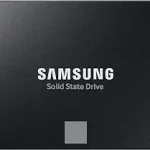
SIX 1TB SATA 2.5 SSD Internal Solid State Hard Drive (ASIN B0FGPXJMK1)
Best Solid State Drives Buying Guide — Black Friday Deals 2026
A solid state drive can serve very different purposes: an internal upgrade, a portable place for files, or additional storage for a device that accepts a particular drive format. Start by deciding where you want the storage to live and which connection your device supports. Then compare capacity and the listed features that matter to your routine. This guide covers three distinct options, from an M.2 drive with a PCIe interface to a portable USB drive and a 2.5-inch SATA model. For Black Friday, treat each listing as a specific configuration rather than assuming similarly named products are interchangeable. Check the exact model, interface, capacity and compatibility details before weighing an offer.
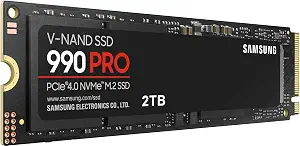
The Samsung SSD 990 PRO 2TB is the Best Overall choice in this selection for shoppers whose setup calls for an internal M.2 drive and whose device supports its listed interface. It has 2 TB of storage, a M.2 2280 form factor and a PCIE x 4 interface. The listing gives read and write speeds up to 7450/6900 MB/s. Those specifications make it a candidate to consider when you want a high-capacity internal drive and your computer or console can accommodate the format. They are specifications, not a guarantee that every system or task will reach those figures.
The listed compatible devices are desktop and laptop computers, and the compatible console is Sony PlayStation 5. Before choosing it for any of those uses, verify the particular device’s requirements and available drive slot. A matching capacity alone does not establish that an M.2 2280 drive or its interface will fit your setup. If you are shopping for a portable drive to move among devices, this is a different kind of purchase: the 990 PRO is listed as an internal drive, not as a USB portable model. That distinction helps prevent comparing options based on storage capacity alone.
For Black Friday, the Best Overall label is an editorial fit among these three products, not a claim of tested or market-wide superiority. Compare the exact 2TB listing and its interface and form factor with the requirements of the device where you plan to install it. If you do not have a compatible slot or are unsure how the drive will be installed, pause to confirm those details before buying. The listed speed figures may be relevant to your decision, but your system and workload matter too; avoid treating a headline specification as a promise about your own results. This drive makes most sense when internal installation, the stated capacity and listed compatibility align with your plan.
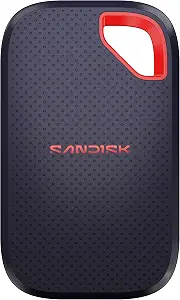
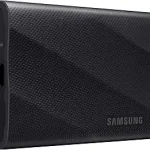
The SANDISK 1TB Extreme Portable SSD earns the Best for portable storage label because its listing identifies it as a portable SSD and gives compatibility with desktop computers, laptops, smartphones and tablets. It provides 1 TB of digital storage and uses a USB 3.0 hard disk interface. That combination is worth considering if you want storage you can connect to more than one kind of device, provided the specific device supports the connection and use you have in mind. Check the port and connection requirements for your equipment rather than assuming that a broad compatible-device list guarantees a particular setup will work.
The listing gives dimensions of 3.35″L x 2″W x 0.39″Th and an item weight of 1.6 ounces. Those details can help you judge whether its stated size suits the way you carry or store external drives. It also specifies up to 3M drop protection and 256-BIT AES encryption, with password protection described as helping keep private files secure. Keep the original qualifications in mind: these are listed features, not a reason to treat the device as indestructible or to skip sensible file backups. Consider whether the stated protection and encryption features are relevant to your own travel and privacy needs.
For Black Friday, this is the option to compare when portability is more important to your plan than installing storage inside a computer. Its Best for portable storage designation reflects that role among the products here; it does not claim a measured advantage over other portable drives. Inspect the exact offer and confirm that it is the 1TB model with the USB 3.0 interface and listed features you expect. Think through which devices you want to use, where their ports are, and whether you will need to move files between them. If your main goal is internal expansion, compare the other form factors instead. If your goal is to carry files, the size, weight, compatibility list, drop-protection qualification and encryption details provide useful points for a focused decision.
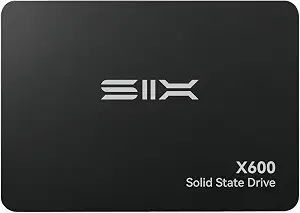
SIX 1TB SATA 2.5 SSD Internal Solid State Hard Drive (ASIN B0FGPXJMK1)
The SIX 1TB SATA 2.5 SSD Internal Solid State Hard Drive is the Best Budget choice in this group for shoppers considering a 2.5-inch internal SATA drive. The listing specifies 1 TB capacity, a 2.5 inches form factor and a SATA 6.0 Gb/s interface. It gives read speeds up to 560MB/s. The product description says it fits most laptops, desktops, NAS systems and even gaming consoles. Because “most” does not mean every device, check the requirements and available connection in your own system before you decide that this drive will fit.
This option is different from the M.2 PCIe model and the portable USB drive. Its format and interface make the specific installation context important: identify whether your device accepts a 2.5-inch SATA drive, and confirm its requirements rather than relying on a general category match. The listing also names TRIM support, ECC, SLC Cashe and intelligent temperature control. Those are features stated for this model; consider them alongside capacity and interface, not as substitutes for checking compatibility. If you are replacing or adding storage, make sure the exact device and intended use are appropriate for this product before treating the listed capacity as the deciding factor.
For Black Friday, the Best Budget label is an editorial recommendation among these three listings, not evidence of a particular price, discount or performance result. Compare the exact product and 1TB capacity with the other details you need, including the SATA interface and 2.5-inch form factor. The listed read-speed figure is up to 560MB/s; it is useful as a specification but should not be treated as a promise for every system or task. If your setup calls for an M.2 drive or portable storage, this model’s listed format points you toward a different choice. If your device accepts a 2.5-inch SATA drive, its stated compatibility range and named features give you concrete details to verify before purchasing.
Key specs
Capacity
1 TB
Interface
SATA 6.0 Gb/s
Form factor
2.5 inches
Read speed
Read speeds up to 560MB/s
Compatibility
fits most laptops, desktops, NAS systems, and even gaming consoles
Features
TRIM support, ECC, SLC Cashe, and intelligent temperature control
First, decide where the extra storage should live
Begin with the role you want the drive to play. An internal drive stays with a compatible device, while a portable drive is intended for connection across devices. In this selection, the Samsung SSD 990 PRO 2TB is an M.2 2280 model with a PCIE x 4 interface; the SIX is a 2.5-inch SATA model; and the SANDISK is a portable drive with a USB 3.0 interface. Those distinctions narrow the choice before you compare speed or capacity. Ask whether files should remain installed in one system or be carried between equipment.
Next, check the device’s supported format and connection. A desktop, laptop, NAS system, smartphone or console may have different requirements, and a product’s general compatibility description does not confirm every model or configuration. For Black Friday, use the exact offer details to ensure the selected drive is the type you intended. Avoid treating “SSD” as one interchangeable format: the physical form and interface determine whether the product suits the slot or port you plan to use. If you cannot confirm that match, resolve it before comparing offers.
Black Friday comparisons start with the exact configuration
A product family or broad title can conceal differences that matter to your setup. Check the model, capacity, form factor and interface displayed for the exact offer. The products here include a 2TB M.2 PCIe drive, a 1TB portable USB model and a 1TB 2.5-inch SATA drive. These are not direct substitutes merely because each provides solid-state storage. Confirm the configuration rather than relying on a search result, a shortened title or an image that may not show every detail.
Then compare the actual offer as presented, without assuming a promotion is active or that a displayed deal applies to another variant. Black Friday can make it tempting to focus on the apparent bargain first, but a low price does not help if the drive is incompatible or the capacity is wrong for your needs. Verify what the listing says about the selected model and features before deciding. If you are comparing two offers, keep the same priorities in view: connection, capacity, intended device and any listed feature you specifically need.
Match capacity to what you plan to keep
Capacity is easiest to judge against your own file habits. Consider what you expect to store, whether those files will stay on one device, and whether you already have another place for copies. The listed capacities here are 2 TB for the Samsung and 1 TB for each of the SANDISK and SIX drives. Those figures describe the products; they do not determine how much space your particular games, work files, photos or other content will occupy. Make the estimate from your own collection and leave room for the way you expect it to change.
Think about access as well as amount. A portable drive may suit files you want to connect to compatible devices, while an internal option may suit storage assigned to a particular system. For Black Friday, do not let a capacity difference distract you from whether the drive can serve its intended role. Compare like with like where possible, and verify the capacity of the exact listing. If you are choosing between internal and portable storage, settle that question first; otherwise, a larger number on a product page may not make it the better fit.
Read speed figures as context, not a guarantee
Speed claims can help distinguish specifications, but they need context. The Samsung listing gives read and write speeds up to 7450/6900 MB/s, while the SIX listing gives read speeds up to 560MB/s. The SANDISK facts provided here identify its USB 3.0 interface but do not provide a speed figure. Do not fill that gap with an assumption or treat the figures from different products as a complete comparison of everyday performance. The connection, device and task all matter to what a shopper should expect.
Use speed as one decision point after confirming format and compatibility. Ask whether a stated figure addresses a priority in your own use, then check the actual system requirements and listing details. The phrase “up to” is a qualification, not a promise that every setup will reach the listed maximum. During Black Friday, keep that distinction in view when a headline emphasizes a number. A sensible comparison includes the interface and intended use alongside any speed specification, without turning a specification into a guarantee.
Use listed features to refine your shortlist
Once format, capacity and device match are clear, look at features that address a real need for you. The portable SANDISK lists up to 3M drop protection and 256-BIT AES encryption with password protection. Those details may matter if you plan to carry files or want the stated privacy feature, but retain the qualifications and keep separate backups for important data. The SIX lists TRIM support, ECC, SLC Cashe and intelligent temperature control. The Samsung listing includes its interface, form factor, capacity and speed figures as useful points to verify against your system.
Feature lists are most useful when connected to a specific decision rather than treated as a contest. For Black Friday, check that the exact selected model includes the feature you care about, and do not assume an unmentioned feature is either present or absent. If installation is involved, confirm your device’s requirements before ordering. If portability is the priority, consider the portable model’s stated dimensions, weight, compatible-device list and protection details. A clear shortlist based on actual constraints is more useful than accumulating specifications that do not affect your plans.
Make your Black Friday choice
Choose the drive that fits your device and the way you expect to access your files: M.2 PCIe internal storage, 2.5-inch SATA storage or a portable USB option. Verify the exact capacity, connection and model on the offer before purchasing, and treat speed and protection statements according to their listed qualifications. During Black Friday, compare the configuration you need rather than assuming every promotion or variant is equivalent. A deliberate fit check can help keep the decision focused on useful storage, not just a headline or a deal label.